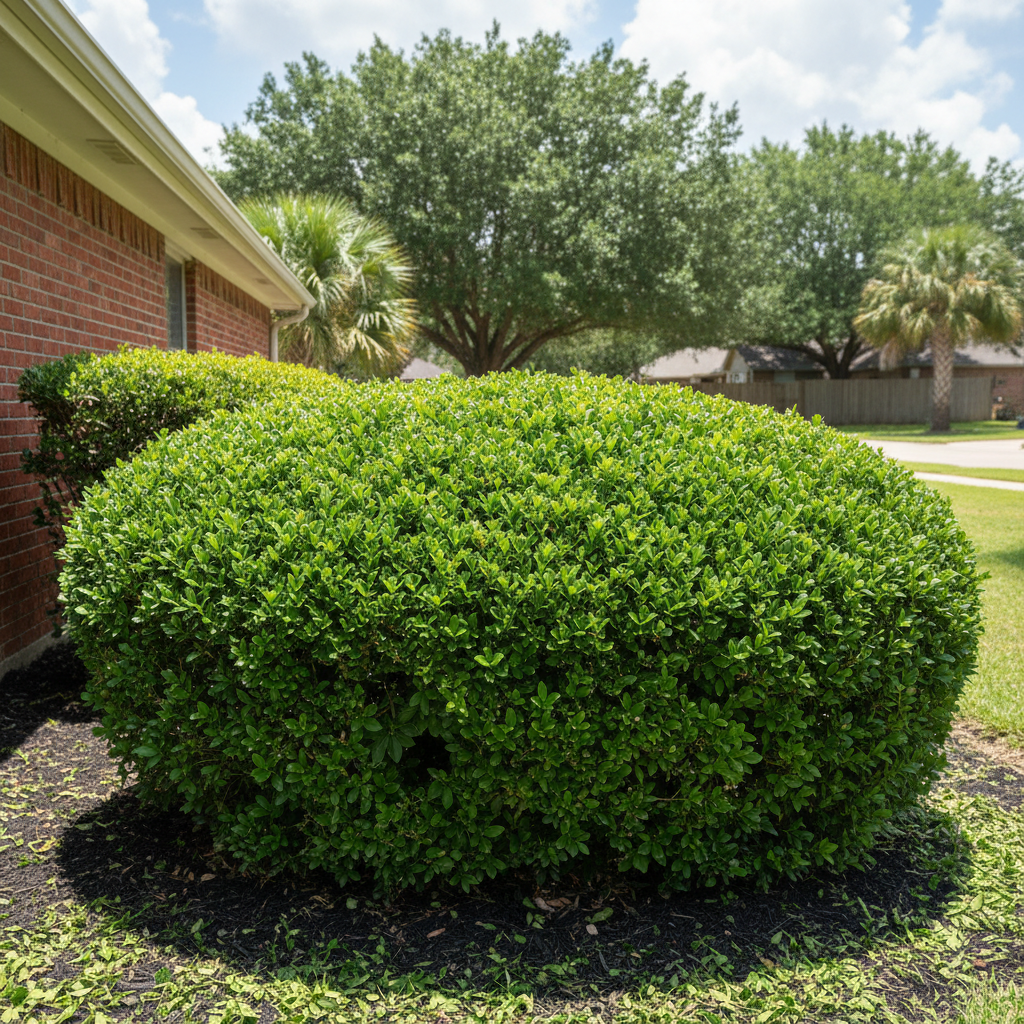
When's the best time to trim my shrubs and bushes?
This is probably the most common question I get, and honestly, it depends on the plant. For most deciduous shrubs (the ones that lose their leaves in winter), the best time is usually late winter or early spring, right before new growth starts. Think February or March around here, before it really heats up. This lets you shape them up while they're dormant, and they'll bounce back strong with new growth.
Flowering shrubs are a bit different. If it blooms on old wood (meaning last year's growth), like azaleas or hydrangeas, you want to trim it right after it finishes flowering. If you do it too early, you'll cut off all the flower buds for the season. If it blooms on new wood, like crape myrtles or roses, you can trim it in late winter or early spring. It's really about knowing what kind of plant you've got in your yard.
How often should I trim them?
Again, it's not a one-size-fits-all answer. Most shrubs and bushes benefit from a good trim once a year to maintain their shape and encourage healthy growth. Some fast-growing varieties, especially those you're trying to keep a very specific shape, might need a light touch-up two or three times a year. For example, if you've got a formal hedge along your property line, you might be doing light trims more often to keep it looking neat. Other plants, like some of the slower-growing evergreens, might only need a significant trim every couple of years. It's about observation – if it's getting leggy, overgrown, or looking sparse in the middle, it's probably time.
What's the difference between pruning and trimming?
Good question, because people use these terms interchangeably all the time, but there's a subtle difference. Trimming is usually about maintenance – keeping a plant's size and shape, making it look tidy, and encouraging denser growth. Think of it like getting a haircut. Pruning, on the other hand, is more about the plant's health and structure. You're removing dead, diseased, or damaged branches, improving air circulation, or training the plant's growth for strength or fruit production. When I'm out on a job for Top Notch Tree Solutions, I'm often doing both, but the goal for each cut might be a little different.
Can I just do it myself, or should I hire a professional?
Look, for a small, simple trim on a few bushes, sure, you can probably handle it. A good pair of hand pruners and some basic knowledge will get you by. But if you've got larger shrubs, hedges, or a lot of plants, it gets complicated fast. You need the right tools – hedge trimmers, loppers, pole pruners – and you need to know how to use them safely and effectively. Plus, knowing *where* to cut to encourage healthy growth and avoid damaging the plant takes experience. Make a wrong cut, and you could stunt its growth or even kill it. For bigger jobs, or if you're unsure, hiring someone who knows what they're doing is always a smart move. It saves you time, keeps you safe, and ensures your plants look their best.
What tools do you use for trimming?
We use a variety of tools, depending on the job. For small branches and precise cuts, hand pruners (bypass pruners are my favorite) are essential. For thicker branches, loppers give you more leverage. For shaping hedges and larger areas, we use electric or gas-powered hedge trimmers. Sometimes, for those hard-to-reach spots or higher branches, a pole pruner comes in handy. Safety gear is just as important as the cutting tools – good gloves, eye protection, and sometimes ear protection if we're running noisy equipment. Using sharp, clean tools is key for making clean cuts that heal quickly and prevent disease.
My shrubs are overgrown and haven't been trimmed in years. Can they be saved?
Often, yes! This is where some serious pruning comes into play, sometimes called 'rejuvenation pruning' or 'renewal pruning.' For many deciduous shrubs, you can cut them back hard, sometimes almost to the ground, and they'll resprout vigorously. This is a great way to bring an old, leggy plant back to life. However, it's not for every plant. Some evergreens, especially older ones, don't respond well to severe cuts into old wood; they might not grow back. It's important to identify the plant first and know its tolerance for hard pruning. We've seen plenty of neglected shrubs in older parts of Orange, like down by the river, that look like they're beyond hope but can be brought back beautifully with the right approach.
Will trimming help my plants grow more flowers or fruit?
Absolutely, in most cases! Proper trimming encourages new growth, and new growth often means more flowers or fruit, especially for plants that bloom on new wood. By removing old, unproductive wood, you're directing the plant's energy into producing fresh, vibrant growth. It also improves air circulation within the plant, which can reduce disease and pest issues, leading to healthier, more productive plants. For fruit trees or bushes, strategic pruning can also improve fruit size and quality by ensuring sunlight reaches all parts of the plant and preventing overcrowding. It's all about managing the plant's energy for the best results.