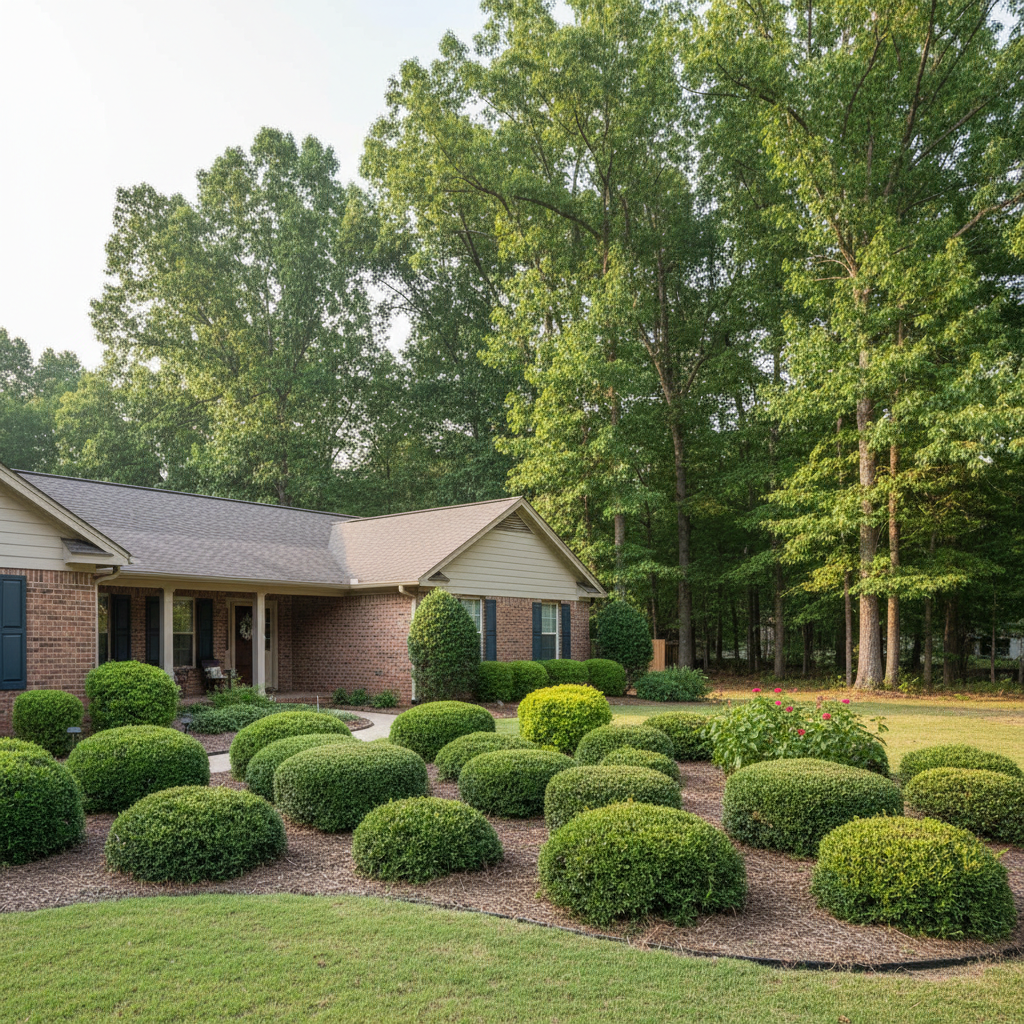
So, you've decided it's time to get those shrubs and bushes looking sharp. Good call, really. A well-kept landscape definitely boosts your home's curb appeal, and let's be honest, those overgrown bushes can be a real eyesore. But before you just call the first number you see, let's talk about how to plan this whole thing out. It's not just about cutting branches; it's about doing the job right, at the right time, and with the right folks.
When's the Best Time to Trim?
This is probably the first thing folks ask me. And it's a good question! The truth is, it depends on the type of shrub you have. For most of your evergreen shrubs — things like hollies, azaleas, or boxwoods — late winter or early spring is usually perfect. You want to get it done before they start putting on a lot of new growth. This lets them recover quickly and fill out nicely.
If you've got flowering shrubs, it gets a little trickier. You generally want to trim those right after they finish blooming. If you cut them too early, well, you'll be chopping off all the flower buds for that year, and nobody wants that, do they? Think about your hydrangeas or gardenias; wait until those flowers fade. The main thing is, don't wait until the dog days of summer here in Orange. Trimming in extreme heat can stress the plants, and they'll struggle to heal properly. Plus, it's just plain miserable for whoever's doing the work.
What to Expect During the Process
Alright, you've got your timeline sorted. What happens when the crew shows up? First off, a good contractor, like us at Top Notch Tree Solutions, will do a quick walk-through with you. We'll confirm what needs trimming and talk about how you want things to look. Do you want a formal, geometric shape? Or something more natural and flowing? Make sure you're clear on your vision.
Then, the actual trimming starts. Expect some noise – trimmers and saws aren't quiet, after all. We'll be using a mix of hand pruners, loppers, and hedge trimmers, depending on the size and type of bush. We're not just hacking away, mind you; we're looking for dead, diseased, or crossing branches, and shaping the plant for both health and looks. There's a real art to it.
Once the trimming is done, the cleanup begins. This is where a professional crew really shines. We'll rake up all the trimmings, blow off your walkways and driveways, and haul away all the debris. You shouldn't be left with a mess. The goal is for you to come home to perfectly shaped shrubs and a clean yard, like we were never even there, save for the beautiful plants.
How to Prepare Your Yard for the Crew
You can help make the whole process smoother for everyone. A little prep on your end goes a long way:
- Clear the Area: Move any patio furniture, garden decorations, kids' toys, or anything else that's near the shrubs. This protects your stuff and gives the crew room to work safely.
- Mark Sprinkler Heads: If you know where your sprinkler heads are, especially if they're close to the bushes, mark them with a flag or a piece of bright tape. We try to be careful, but it's easy to miss a camouflaged sprinkler head.
- Secure Pets: Make sure your dogs or other pets are safely indoors or in a secured area. Open gates, loud noises, and unfamiliar people can be stressful for them, and we certainly don't want any escape artists.
- Point Out Concerns: Before we start, if you have any specific concerns about a particular bush or an area, please point it out. Maybe there's a bird's nest you want us to avoid, or a weak branch you're worried about.
Questions to Ask Before You Sign That Contract
Don't ever be afraid to ask questions. You're hiring someone to work on your property, and you deserve to feel comfortable with your choice. Here are some key things to pin down:
- Are they licensed and insured? This is non-negotiable. If they're not, and someone gets hurt or your property gets damaged, you could be on the hook. Ask for proof.
- What's included in the price? Does it cover hauling away the debris? What about cleanup? Get a detailed quote so there are no surprises.
- How do they handle specific plant types? A good trimmer knows that an azalea needs different care than a rose bush. Ask how they approach the different species you have.
- What's their approach to shaping? Do they understand the difference between a formal trim and a more natural, selective pruning? Make sure their vision aligns with yours.
- Can they provide references? Any reputable company will be happy to give you a few names of past clients.
- What's the estimated timeline for the job? Not just when they'll start, but how long they expect to be on site.
Picking the right contractor for your shrub and bush trimming project means you'll get healthy, beautiful plants and a hassle-free experience. Take your time, ask the right questions, and your Orange, TX yard will thank you for it.